
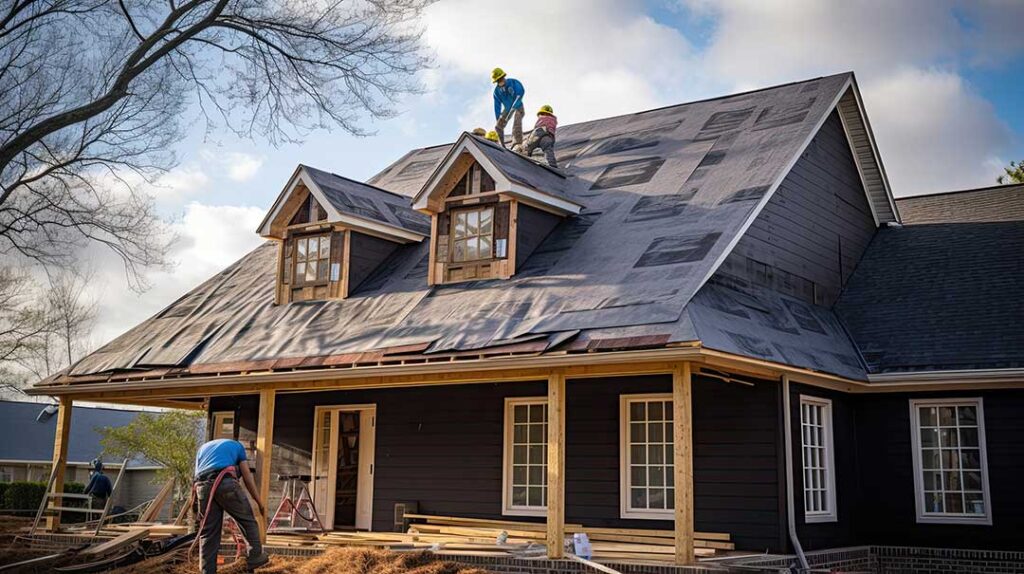
What Is Roof Pitch?
Roof pitch describes how steep or shallow a roof is, measured by how much it rises vertically for every 12 inches it runs horizontally. For example, a roof that rises 4 inches over a 12-inch span has a 4:12 pitch. Local building codes in Mohawk, NY often define minimum and maximum roof pitches for safety and to handle weather specific to the region.
Most homes in the area have sloped roofs that fall between 4:12 and 9:12 pitch, but the right pitch depends on many factors, from snowfall to architectural style.
Why Does Roof Pitch Matter in Mohawk, NY?
The pitch of a roof directly affects how well it sheds rain, snow, and debris. In Mohawk, NY, winters are snowy and the area receives consistent precipitation throughout the year. Steeper roofs allow snow to slide off more quickly, reducing the risk of leaks and structural damage. Shallow-pitch roofs, by contrast, may require more frequent snow removal and maintenance.
A roof pitch that’s too low for local climate conditions risks:
- Snow and ice buildup, which can cause leaks under shingles
- Formation of ice dams along eaves (leading to water infiltration)
- Extra weight on the roof, which is a concern for older homes or unreinforced structures
Local residents often favor steeper pitches not only for function but also for the familiar look that fits with the region’s architectural traditions.
How Is Roof Pitch Measured?
Measuring pitch requires a level and tape measure. On the roof, locate a rafter or shingle edge, place the level horizontally, then measure the vertical rise over a 12-inch run.
Example: A roof that rises 6 inches for every 12 inches run is a 6:12 pitch.
For safety, many homeowners gather this measurement from attic framing or leave it to someone equipped for roof work. Always consider the pitch before projects like re-roofing or adding features like skylights.
What’s the Best Roof Pitch for Mohawk Homes?
There is no universal “best” pitch, but local conditions shape the answer.
- Steep pitch (6:12 or higher): Sheds snow well, less prone to leaks, often chosen for homes facing Mohawk’s snowy winters
- Low pitch (below 4:12): Easier for rooftop access but may accumulate snow and require specialized waterproofing
- Moderate pitch (4:12–6:12): Balances ease of maintenance, walkability, and weather protection
The architectural style of the home, the age of the property, and surrounding tree cover might also play a role in selecting an appropriate pitch.
Are Flat Roofs Practical in Mohawk, NY?
Flat roofs are uncommon for single-family homes in the city due to snow load risks. While technically possible, flat or very low-slope roofs (below 2:12 pitch) require high-performance, specialized waterproofing and regular snow removal to prevent leaks and collapse. These roofs are sometimes seen on commercial or multi-family buildings, where structural reinforcements and maintenance routines are in place.
How Does Pitch Affect Roofing Materials?
Some roofing materials perform better on certain pitches. In Mohawk’s climate, the choice of materials may depend on the roof’s steepness:
- Asphalt shingles: Common on moderate to steep pitches; water runs off easily
- Metal roofing: Works on a broad range of pitches; sheds snow efficiently, making it popular for rural or modern-looking homes
- Rubber membranes (EPDM, TPO): Reserved for very low-slope or flat roofs, mostly in commercial settings in the community
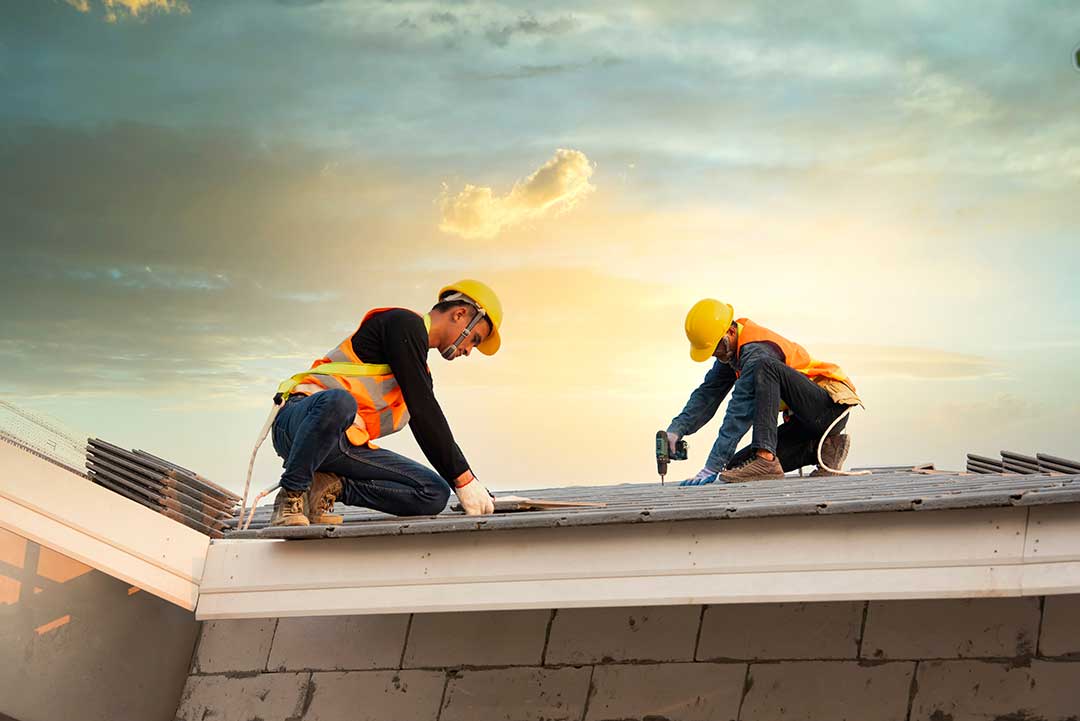
Materials not matched to the pitch risk premature wear or weather damage.
Can Changing Roof Pitch Improve Home Performance?
Altering a roof’s pitch is a major structural project, but there are cases where it’s considered. Converting a very low slope to a steeper one can help with long-term water damage issues or create more usable attic space. In historic homes across Mohawk, modifications may be regulated or discouraged to preserve architectural character.
Most projects, though, work with existing pitch and instead focus on maintaining the roof and choosing materials suited to local weather.
What Local Factors Should Mohawk Homeowners Consider?
Pitch choice in this region connects directly to:
- Average annual snowfall and rainfall
- Building codes or homeowners association rules
- Historic preservation guidelines for older neighborhoods
- Trends toward walkable roofs for solar panel or satellite dish installation (possible only on certain pitches)
Neglecting these factors can lead to costly issues, especially after especially harsh winters when poorly pitched roofs may show new leaks or structural concerns.
Common Misconceptions About Roof Pitch
- Myth: Steep roofs are always better. While steep pitches shed snow well, they may be more costly to build and maintain and are harder to walk on for minor repairs.
- Myth: All modern materials work on every pitch. Material warranties often depend on correct installation angle.
- Myth: Changing pitch is a simple upgrade. True pitch changes involve major construction and should be weighed carefully within the context of local homes and neighborhoods.
