
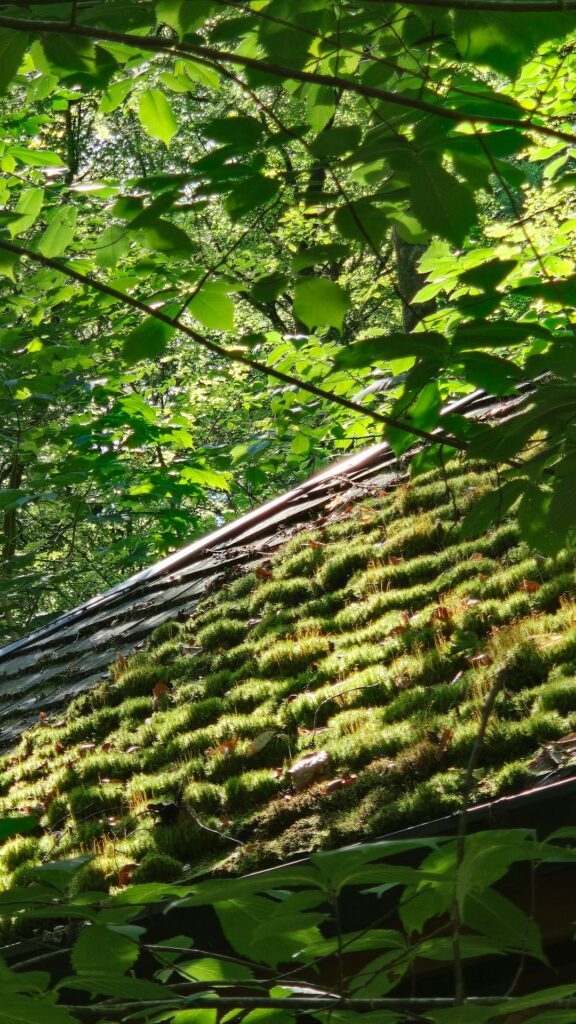
A green roof can reduce stormwater runoff, protect a waterproofing membrane from weather, and add habitat or usable outdoor space. For many homes in Mohawk, NY, however, the question is not simply whether a green roof is environmentally beneficial. The more useful question is whether the building, roof design, budget, and maintenance expectations make the system practical.
Green roofs are most commonly used on low-slope roofs, additions, garages, apartment buildings, and commercial structures. They are less common on steeply pitched residential roofs because soil, drainage layers, and vegetation require specialized support.
What is a green roof?
A green roof is a roof assembly designed to support vegetation above a waterproofing system. It usually includes several layers:
- A structural roof deck
- Waterproofing and root protection
- Drainage and water-storage materials
- A filter layer
- A growing medium
- Low-maintenance plants
The roof is not simply covered with ordinary garden soil. Engineered growing media are lighter and drain differently. The complete assembly must be designed as a roofing system, not added casually to an existing roof.
There are two broad categories. Extensive green roofs use a shallow growing medium and hardy plants such as sedums, mosses, and low-growing perennials. They are lighter and require less maintenance. Intensive green roofs use deeper soil and may support larger plants, seating areas, or gardens, but they require substantially more structural capacity, irrigation, maintenance, and investment.
Are green roofs suitable for Mohawk’s climate?
They can be, but winter conditions must be part of the design from the beginning. The area experiences cold winters, repeated freeze-thaw cycles, substantial precipitation, and periods of snow accumulation. Those conditions affect drainage, waterproofing, plant survival, and structural loading.
A properly designed extensive roof can tolerate cold weather, but plants may remain dormant for extended periods. Snow itself is not automatically harmful; in some cases, it provides insulation. The concern is the combined weight of saturated growing media, stored water, vegetation, ice, and snow.
Spring thaw deserves special attention. Water must drain reliably rather than collect against roof edges, walls, skylights, vents, or penetrations. Freeze-thaw movement can expose weak flashing and drainage details that might not cause trouble in a milder climate.
Can an existing roof support a green roof?
Not necessarily. Structural capacity is one of the most important screening questions.
A green roof can add considerable permanent weight, especially when the growing medium is wet. The roof must also account for temporary snow loads and people who may need access for inspection or maintenance. Older homes and garages may have roof framing designed only for conventional roofing materials and expected snow loads.
Before installation, the roof structure, deck condition, slope, drainage, and waterproofing should be evaluated. Structural review is particularly important when:
- The roof has visible sagging or movement
- The building is older or has unknown construction details
- The roof has a long span or limited interior support
- A deeper planting system is being considered
- The project includes walkways, seating, planters, or irrigation equipment
Adding vegetation to a weak or aging roof can increase risk rather than improve performance.
What are the main benefits?
The strongest benefits usually involve stormwater, roof protection, and building performance.
A green roof temporarily holds rainfall and releases some of it through evaporation and plant use. This can reduce the amount of water reaching gutters, downspouts, and nearby drainage areas during moderate storms. The effect varies with growing-medium depth, rainfall intensity, season, and how saturated the system already is.
Vegetation and growing media can also shield the waterproofing membrane from ultraviolet light, temperature swings, and minor physical damage. That may extend membrane service life, although it does not eliminate the need for inspections or repairs.
Other potential benefits include:
- Reduced heat gain through a low-slope roof during summer
- Improved appearance from upper-floor windows
- Support for pollinators and other small wildlife
- Less reflected heat around the building
- A quieter roof surface during rainfall
These advantages are generally more noticeable on larger, exposed, low-slope roofs than on a small shaded roof hidden behind trees.
What are the drawbacks?
The biggest drawbacks are weight, complexity, cost, access, and maintenance.
A green roof has more components than a conventional roof. If the waterproofing layer fails, locating the leak can be more difficult because portions of the assembly may need to be moved or temporarily removed. Drainage outlets and edge details must remain accessible.
Vegetation also requires care. Plants may need seasonal inspection, removal of unwanted growth, clearing of drainage paths, replacement of dead areas, and occasional control of erosion. Intensive systems may require regular watering, pruning, fertilizing, and safer access arrangements.
Other limitations include:
- Higher initial construction cost
- Greater difficulty modifying or repairing the roof later
- Potential damage from poorly controlled roots or invasive plants
- Snow and saturated-soil loads that must be included in the design
- Limited practicality on steep roofs
- More complicated flashing around chimneys, vents, skylights, and wall connections

A green roof is not maintenance-free roofing. It is a living landscape installed above a waterproof structure.
Does a green roof lower energy bills?
Sometimes, but energy savings should not be the only reason to install one. Vegetation can reduce summer heat entering a building, especially beneath a broad, exposed low-slope roof. In a cold climate, the insulation value of the roof assembly, air sealing, attic design, and heating system usually have a larger effect on winter energy use.
A green roof does not replace adequate insulation. It also does not automatically prevent ice dams on a pitched residential roof. Ice dams are more closely related to heat loss, attic ventilation, air leakage, snow cover, and roof geometry.
For a household focused mainly on energy efficiency, insulation and air-sealing improvements may produce more predictable results than adding vegetation.
Are green roofs worth the cost for a typical home?
For many typical pitched-roof homes, a full green roof is difficult to justify unless it is part of a new addition, porch, garage, or custom low-slope design. The structural work and waterproofing details can outweigh the environmental benefits on a small roof.
A green roof may be more worthwhile when:
- The building already has a suitable low-slope roof
- A roof replacement or addition is already planned
- Stormwater management is a major concern
- The owner values habitat or visual benefits
- The roof is accessible for regular inspection
- The structure can support the system without major reinforcement
A conventional roof with durable materials, sound flashing, effective insulation, rain gardens, planted areas at ground level, or rainwater management near downspouts may offer similar environmental benefits with less structural complexity.
What should be checked before considering one?
The first step is identifying whether the roof is physically suitable. Important questions include:
- Is the roof flat or low-slope enough for the planned system?
- Can the framing support saturated soil and snow?
- Is the roof deck dry, sound, and properly fastened?
- How will water drain during heavy rain and spring thaw?
- Can every drain, edge, flashing, and penetration be inspected?
- Are plants suited to cold winters, summer heat, wind, and periods of drought?
- Who will perform routine maintenance?
- What happens if the waterproofing membrane needs repair?
New York building requirements may apply to structural alterations, roof assemblies, drainage, fire safety, and access. Requirements can depend on the building type and project scope, so code compliance should be addressed before construction begins.
For residents considering this option, the most realistic conclusion is often nuanced: green roofs can be worthwhile on properly designed low-slope buildings, but they are not a universal replacement for conventional roofing. In Mohawk, winter snow, freeze-thaw cycles, roof pitch, and structural capacity deserve as much attention as the environmental benefits.
