
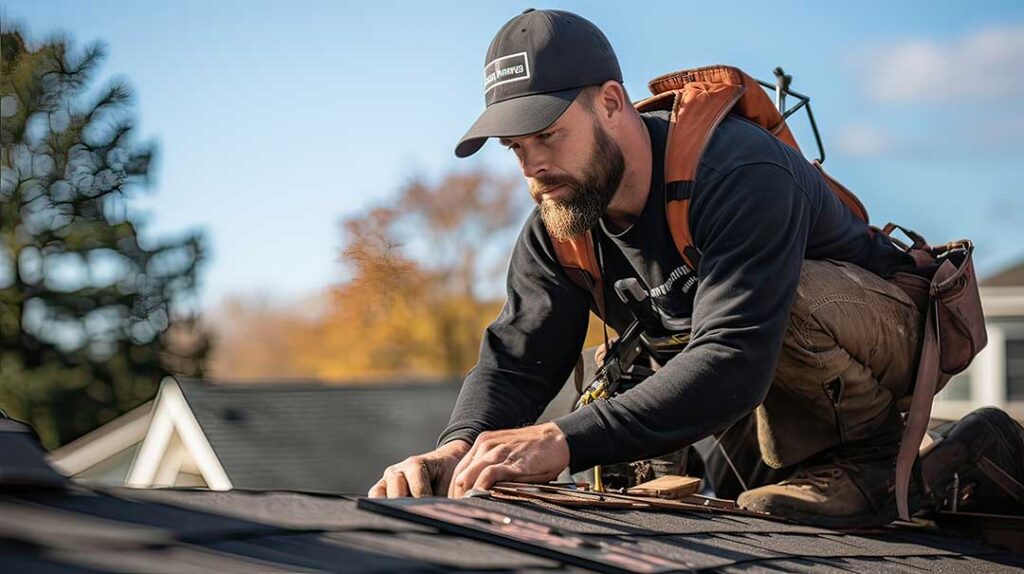
Shingle curling and cracking are common warning signs that an asphalt-shingle roof is aging, stressed, or installed over conditions that are shortening its service life. Some damaged shingles can be monitored or repaired, while widespread deterioration usually means the roof system needs more thorough attention.
What do curling and cracking look like?
Curling occurs when the edges or corners of a shingle lift away from the roof surface. The lower edge may turn upward, the corners may curl, or the entire shingle may appear wavy. Curling is easier to see from the ground on roof edges, ridges, and slopes that receive strong afternoon sun.
Cracking appears as splits through the shingle surface. These may run vertically, horizontally, or along the lower edge. Fine surface cracks may not leak immediately, but larger splits can allow water to reach the underlayment and roof decking.
Other signs often appear at the same time:
- Missing granules collecting in gutters or at downspouts
- Bald areas where the dark asphalt coating is exposed
- Brittle or unusually stiff shingles
- Loose tabs after wind
- Dark stains or dampness in the attic
- Water marks on ceilings or upper walls
- Daylight visible through the roof deck
A few isolated defects do not always mean the entire roof has failed. The pattern, age, and location of the damage matter.
Why do asphalt shingles curl?
The most common cause is long-term weathering. Asphalt shingles gradually lose flexibility as they age. Repeated exposure to sunlight, temperature changes, wind, rain, snow, and ice can cause the shingle mat and asphalt coating to contract and expand at different rates.
Roof ventilation is another factor. An attic that holds excessive heat and moisture can contribute to premature shingle deterioration. Poorly balanced ventilation may leave hot air trapped beneath the roof during summer and allow moisture to accumulate during colder months.
Installation conditions can also lead to curling. Shingles may lift or deform when they were not properly fastened, when the roof surface was uneven, or when the shingles were installed during unsuitable cold weather. In some cases, old shingles were installed over an earlier layer without adequate preparation.
In Mohawk, seasonal changes place regular stress on roofing materials. Cold winters, snow, spring moisture, summer heat, and repeated freeze-thaw cycles can expose weaknesses that were not obvious during milder weather.
What causes shingle cracking?
Cracking may develop because the shingle has become brittle with age. As flexibility decreases, normal movement in the roof can create splits. Large temperature swings can increase this stress, especially on roofs with dark surfaces or limited ventilation.
Manufacturing defects are possible but less common than ordinary aging and installation-related problems. Cracking can also occur when shingles are bent, walked on improperly, struck by falling branches, or disturbed during other roof work.
There are two different types of cracking to consider:
Surface cracking affects the outer coating and may initially be cosmetic.
Structural cracking extends through the shingle and can expose the fiberglass mat or create a path for water. Cracks near seams, fasteners, valleys, chimneys, or roof edges deserve closer attention because those areas already handle more water movement.
Can curled or cracked shingles be repaired?
Individual shingles can sometimes be replaced if the surrounding roof is still flexible and in good condition. A proper replacement requires matching the shingle type, loosening nearby adhesive seals carefully, removing the correct fasteners, and securing the new shingle without damaging the neighboring tabs.
Small cracks may sometimes be sealed temporarily, but sealant is not a permanent substitute for a sound shingle. Coating over a broad area may hide the damage while leaving the underlying material brittle.
Repair is less practical when:
- Curling affects many shingles across several slopes
- Cracks are widespread or recurring
- Granule loss is severe
- Shingles are brittle enough to break during handling
- The roof has multiple layers of old roofing
- Leaks are appearing in more than one location
- The roof is near or beyond its expected service life
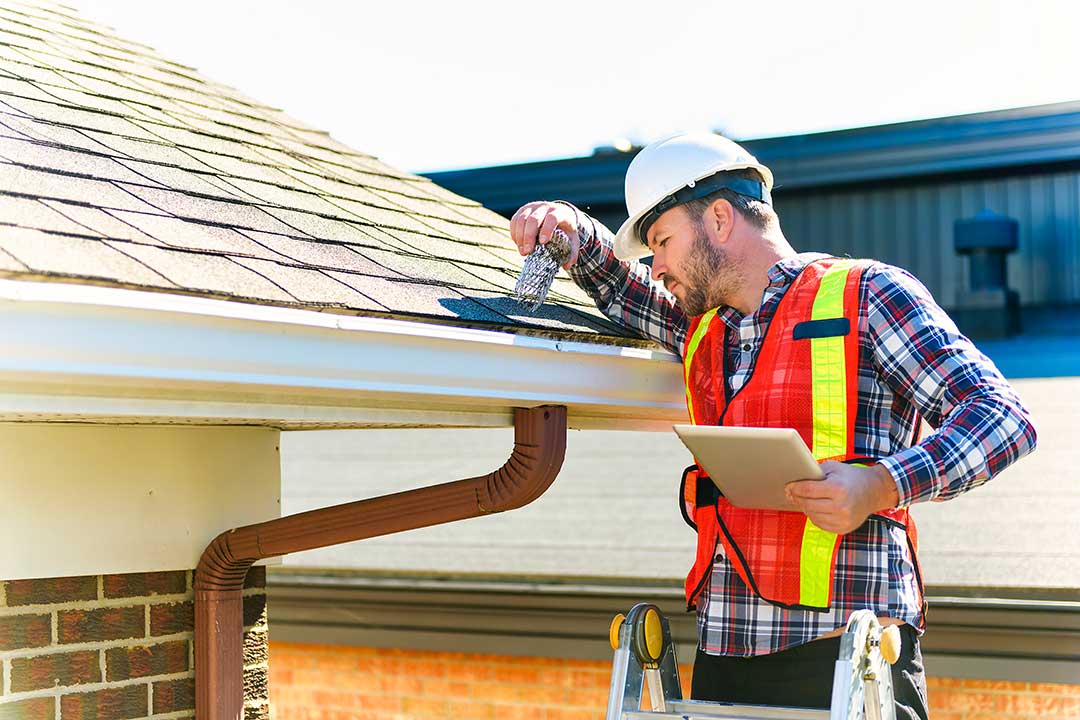
A roof can look acceptable from the yard while deteriorating on the upper slopes or around penetrations. A closer inspection is especially useful after a windstorm, heavy snow season, or major temperature shift.
How can homeowners inspect the roof safely?
Ground-level inspection is often enough to identify obvious problems. Binoculars can help reveal curled corners, missing tabs, exposed fasteners, and bare patches without requiring anyone to climb.
From inside the attic, look for damp insulation, darkened wood, rusty fasteners, mold-like staining, or narrow trails of water. Water does not always appear directly beneath the exterior damage. It may travel along rafters or roof decking before entering the living space.
Avoid walking on shingles that are wet, icy, steep, brittle, or visibly damaged. In colder weather, frost and ice can make roof access hazardous, and brittle shingles may break under foot pressure. Any situation involving a steep roof, unstable ladder placement, electrical hazards, or active structural damage should be handled by someone with the appropriate training and equipment.
Does ventilation really affect shingle life?
Yes. Ventilation does not reverse aging, but poor attic airflow can add heat and moisture stress to the roof assembly.
A properly functioning system generally allows air to enter through low intake areas and leave through higher exhaust areas. Blocking soffit vents with insulation, relying on a single roof vent without adequate intake, or allowing bathroom and kitchen exhaust to discharge into the attic can create problems.
Signs of attic moisture or heat-related stress include:
- Condensation on nails or roof sheathing
- Frost buildup during cold weather
- Musty odors
- Peeling paint near the ceiling
- Excessive summer heat in the attic
- Mold-like discoloration on wood surfaces
Ventilation changes should be considered as part of the whole roof system. Adding an exhaust vent without checking intake airflow may not solve the underlying issue.
When does curling or cracking indicate replacement?
Replacement becomes more likely when damage is widespread, the shingles are brittle, or the roof has begun leaking in multiple places. A patchwork approach may provide limited value if the remaining shingles are already near the end of their useful life.
The condition of the underlayment, flashing, roof decking, valleys, and edges also matters. Shingles are only one part of the roof assembly. Replacing visible shingles without correcting a ventilation problem, damaged flashing, or deteriorated decking can allow the same trouble to return.
After severe weather, temporary protection may be necessary if shingles are missing or a hole is exposed. A tarp or other emergency covering should be secured carefully and should not create additional damage. Water entering near electrical wiring, ceilings, or structural framing requires prompt attention because the risk extends beyond the roofing material itself.
Regular observation is usually more useful than waiting for a ceiling stain. Checking roof edges and gutters in spring and after major storms can reveal early granule loss, loose tabs, and curling before a small defect becomes an interior leak.
